20 Costa Rican Spanish Slang Words and Expressions (Pura Vida Guide)
Pura vida is only the beginning. Here are 20 pieces of Costa Rican Spanish slang, with what each one really means and when ticos use it, so the words you hear on the street stop sounding like a different language.
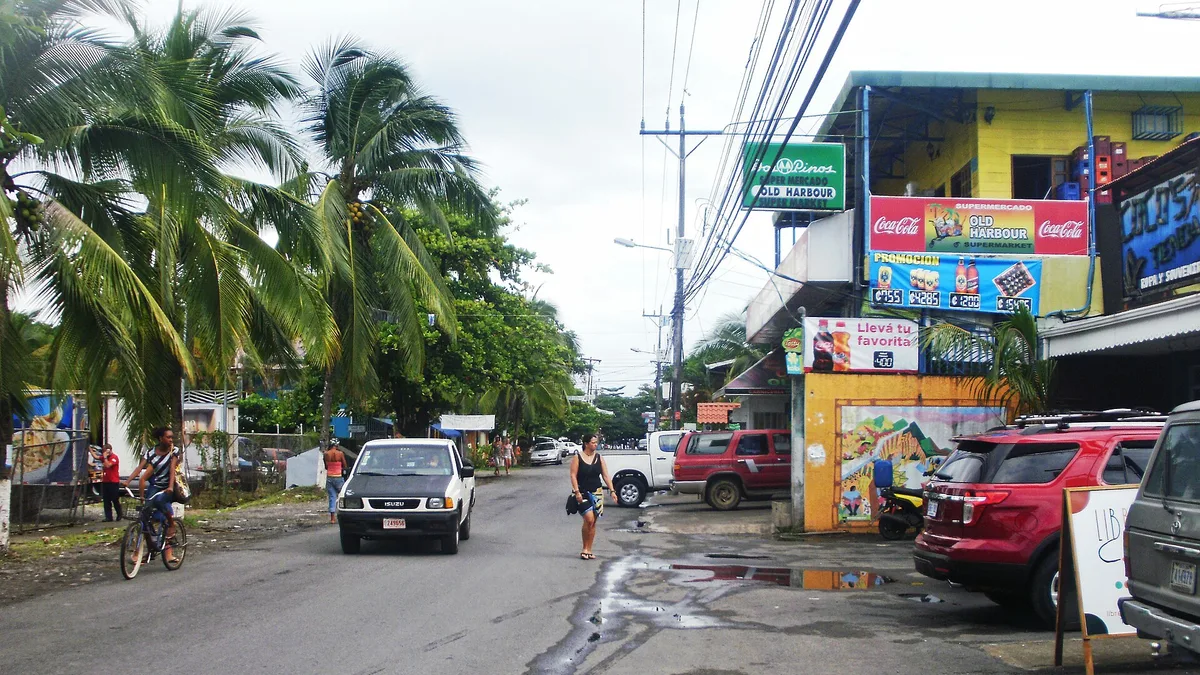
Every visitor to Costa Rica learns one phrase before landing, and it is pura vida. What nobody explains is that ticos use it as a greeting, a goodbye, a thank you, a "no worries" and a personality trait, sometimes in the same conversation. Costa Rican Spanish slang works like that throughout: a small set of words doing an enormous amount of work.
This guide covers 20 of them, with what each one means and when it comes out. Costa Ricans call themselves ticos, and this is the vocabulary that separates them from every other Spanish speaker in Central America.
The One Word You Cannot Avoid
1. Pura vida
Literally "pure life". It is hello, goodbye, thanks, you're welcome, everything is fine, and don't worry about it. It also describes a person: someone who is muy pura vida is easygoing and decent.
Example: "¿Cómo estás?" "Pura vida." ("How are you?" "All good.")
2. Mae
The tico equivalent of "dude" or "mate", used between friends and dropped into sentences the way other countries use tío or güey. You will hear it constantly among younger speakers.
Example: "Mae, ¿vas a la playa el sábado?" ("Dude, are you going to the beach on Saturday?")
3. Tuanis
Cool, great, nice. It is one of the most distinctly Costa Rican words there is, and using it correctly marks you immediately as someone who has actually been there.
Example: "Qué tuanis tu carro." ("Your car is awesome.")
Everyday Life and Work
4. Brete
Work or a job. Estar en el brete is to be at work, and bretear is to work.
Example: "No puedo, tengo brete mañana temprano." ("I can't, I have work early tomorrow.")
5. Choza
Literally "hut". It means home, your place.
Example: "Nos vemos en mi choza." ("See you at my place.")
6. Chunche
Thing, thingy, whatchamacallit. The universal word for an object whose name you cannot remember.
Example: "Pasame ese chunche." ("Pass me that thing.")
7. Pulpería
The small neighborhood corner shop. Not slang exactly, but a word you need on day one and one that other countries name differently.
Example: "Voy a la pulpería por leche." ("I'm going to the corner shop for milk.")
Vocabulary like this is hard to absorb from a list, because half of it is knowing when a tico would actually say it. Our short stories in Costa Rican Spanish put these words inside real scenes, which is how they start to sound natural instead of memorised.
Describing People
8. Tico, tica
What Costa Ricans call themselves. It comes from the local habit of forming diminutives with tico instead of ito: momentico rather than momentito.
Example: "Es tica, de Cartago." ("She's Costa Rican, from Cartago.")
9. Cabra
Literally "goat". It means girlfriend, or a young woman, depending on context and tone.
Example: "Vino con la cabra." ("He came with his girlfriend.")
10. Güila
A kid or a young person. Common and neutral.
Example: "Ese güila juega bien." ("That kid plays well.")
11. Playo
An insult you should recognise and never use: it is a homophobic slur, still heard casually in Costa Rica the way similar words persist elsewhere. Knowing it protects you from repeating it by accident.
12. Harina
Literally "flour". It means money.
Example: "No tengo harina esta semana." ("I have no cash this week.")
Reactions and Fillers
13. Diay
A contraction of de ahí, and one of the hardest tico words to translate. It opens sentences and means anything from "well" to "so what did you expect" to "what can you do". Pure filler, absolutely everywhere.
Example: "Diay, ¿y qué querés que haga?" ("Well, what do you want me to do?")
14. Upe
What you shout at someone's front door instead of knocking, an old rural custom that survives across the country.
Example: "¡Upe! ¿Hay alguien?" ("Hello! Anyone home?")
15. Jupa
Head. Estar mal de la jupa is to be a bit crazy.
Example: "Me duele la jupa." ("My head hurts.")
16. Rajado
Two meanings, and context decides. It describes something hilarious, and also someone who is boastful.
Example: "Qué rajado ese video." ("That video is hilarious.")
17. Salado
Unlucky. Where other countries use it for "salty" or "cool", in Costa Rica estar salado is to have bad luck, and ¡Salado! on its own means "tough luck".
Example: "Perdiste la entrada. Salado." ("You lost the ticket. Tough luck.")
Going Out and Getting Around
18. Bombeta
Someone who loves a party and makes noise about it.
Example: "Tu primo es bombeta." ("Your cousin is a party animal.")
19. Goma
A hangover. Estar de goma is to be hungover.
Example: "Ando de goma, no manejo." ("I'm hungover, I'm not driving.")
20. Estar de chicha
To be angry. Chicha is anger here, not the fermented drink it names in the Andes.
Example: "Está de chicha porque llegamos tarde." ("He's furious because we arrived late.")
The Many Jobs of Pura Vida
It is worth slowing down on the phrase everyone thinks they already understand, because pura vida is not one expression. It is at least five, and the tone does all the work.
As a greeting it replaces hola. As a farewell it replaces adiós. Answering "¿cómo estás?" with it means "I'm fine", and answering "gracias" with it means "no problem". Describing a person as pura vida is a compliment about their character: relaxed, decent, easy to be around. And said flatly after bad news, it means something closer to "well, that's life".
The mistake visitors make is treating it as a slogan and deploying it in every sentence, which is roughly how a tourist sounds saying "cheers, mate" four times in a row in London. Ticos use it constantly, but they use it in the slots where it belongs. Listen for which slot before you fill one.
Worth knowing too: the phrase is not ancient folklore. It spread through Costa Rica after a Mexican film of the same name in the 1950s, and grew from there into the national shorthand it is now.
Why Costa Rican Spanish Sounds Different
Two things mark tico speech before you notice any single word.
The first is the diminutive. Most of Latin America turns momento into momentito. Costa Rica turns it into momentico, and that habit is exactly where the nickname tico comes from. Once you hear it, you cannot unhear it.
The second is the usted. In most of the region usted is formal distance, reserved for strangers and bosses. Many Costa Ricans use it with everyone, including close friends, children and pets. A learner who has been drilled to switch to tú for friendliness will sound stiff doing the opposite of what they intended.
There is also vos, alive and well alongside both, which means Costa Rica is one of the few places where all three second person forms circulate at once. Listen before you choose.
How to Use This Without Overdoing It
- Start with pura vida, mae and diay. They carry no risk and they change how natural you sound immediately.
- Leave playo and cabra alone. The first is a slur, the second depends on tone you do not yet have.
- Match the register you hear. If someone addresses you with usted, use usted back, even if it feels distant to you.
To keep building your Central American and Caribbean Spanish, read our guides to Cuban Spanish slang, Guatemalan Spanish slang and Salvadoran Spanish slang. For the same vocabulary in story form, the short stories in Costa Rican Spanish collection is the natural next step.