HOW TO LEARN A LANGUAGE IN A BRAIN-FRIENDLY WAY
Learning a language = Frustration? Learning languages. What do you associate with it? Spending hours by cramming new vocabulary which you cannot keep in mind in the end anyway?

Learning a language = Frustration?
Learning languages. What do you associate with it? Spending hours by cramming new vocabulary which you cannot keep in mind in the end anyway?
Boring analyzing of grammar which ends with a lot of frustration? If so, you never really discovered what it really means to learn a new language. It is much more than wearisome learning by rote. You begin a journey into a new world when you learn a new language. Why?
A journey to another world
Language represents a culture, another way of thinking. Often a way of thinking that is already over hundreds of years old. An example? The Chinese character for house consists of the symbol “roof” and the symbol “pig” which is below the roof. How come? It is because people in ancient China lived together with their domestic animals under one roof.

Most school’s are not being brain-friendly
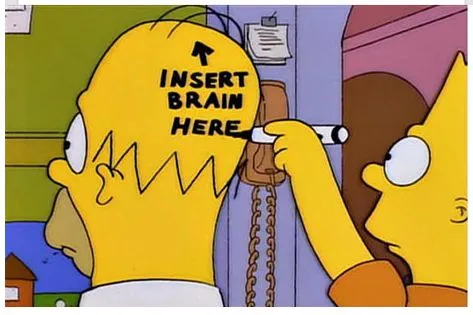
Unfortunately language is taught at schools like historical data. Words are learned separately by heart without any context.
This is not only boring but also quite inefficient, since our brain learns a language in a totally different way. That’s why it is justified to call this way of learning “brain-unfriendly”, how the lateral thinker Vera. F. Birkenbihl always put it.
The Birkenbihl-approach
The once in Germany most successful female management trainer and author developed in the 1980’ a language learning method which radically differs from the classical method used at schools. The “Birkenbihl-approach” promises no single minute spent on learning separate vocabulary or learning grammar by heart. So, how does this method work and why is it supposed to be “brain-friendly”?
The method: A step-by-step on how to be friendly to your brain
The Birkenbihl-approach can be structured in four steps. It is highly recommended investing much time in the first steps to be most efficient. The more time you invest in the first steps, the faster you learn later.

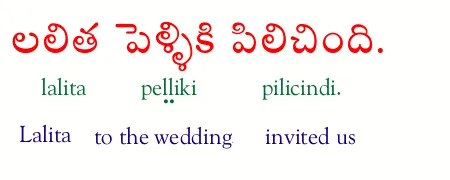
1. Word by word translation
The first step is the most time-consuming but also the most interesting step of all. In this step you translate a foreign text word by word into your mother-tongue. For doing it use a dictionary which offers you also a list with verb-conjugations. It is even better if it also offers you the pronunciation of the word.
Write the literal translation above the foreign text. To make it more effective you can write it in another color to highlight it. To make an example: To express in Spanish that you are tired you say “tengo sueño” what literally means “I- have sleep/dream”. It sounds idiomatically incorrect? Exactly!
Spanish is another language, you enter another world. It only makes sense that the literal translation does not make sense in your mother-tongue sometimes. By the way, the funnier the word by word translated text seems the better. Scientists have found out that facts learned with positive emotions are easier to remember.
 2. Active listening
So now after having translated the foreign text word by word you need an audio which is the audible version of that text. You have to read the word by word translation at the same time while the native speaker reads the foreign text.
When the reader reads the word “tengo” for example, you have to read “I-have”. Why? At the moment when you read the translation with which you are familiar and listen to the foreign word (which is read by a native speaker), your brain connects the word in your mother-tongue with the foreign-word´s sound.
At this way you learn the grammar of the language you want to learn automatically. Invest much time into this step. Listen to the audio as many times until you can understand it without the translated text.
(adsbygoogle = window.adsbygoogle || []).push({});
3. Passive listening
Now begins the relaxing part of all. Step three is about to play an audio in the language you want to learn. But instead of actively listening to it you have to do everything else but listening to it. It is supposed to become a background sound. While you let it play you could read a book, do some tidying up your room or watch TV.
Maybe you wonder now what the sense of that might be. The third step utilizes the laws of subconscious learning. While you barely hear the audio played in the background, your subconscious mind sucks all in. You are subconsciously learning the melody and rhythm of the language you want to learn.
The more you utilize the third step the better and the best thing about is that you actually do not lose any time for it since you are actively doing other things during that time. Do not worry if you listen to the audio in the beginning. It is going to become a background sound after a while.

4. Further learning activities
Only after you have invested enough time in the first steps you should begin with step number four. Now you can get started by using the language actively.
Have you noticed that at school it is exactly the other way around? At schools students often have to say foreign words out loud which they have never heard about before. This is “brain-unfriendly”.
If you just consider how a little child learns a language you will see that at first it does not speak at all but just observes and listens to its environment. It learns by imitation. It was found out that the first sense used by the human being is the hearing.
You already begin to listen to the native language of your mom when you are in her womb what means that you listen about two years to the language until you use it actively yourself.

Of course you do not have to wait that long until you can use the language which you want to learn, but you should invest enough time in the first steps before using the foreign language orally.
But the most important of all: GET STARTED NOW!
What other alternative methods do you know? Share your experiences with us!