20 Spanish Food Idioms and What They Really Mean
Spanish builds a surprising amount of its everyday language out of bread, milk, pumpkins and cucumbers. Here are 20 Spanish food idioms with literal translations, real meanings, and examples so you never take them at face value.
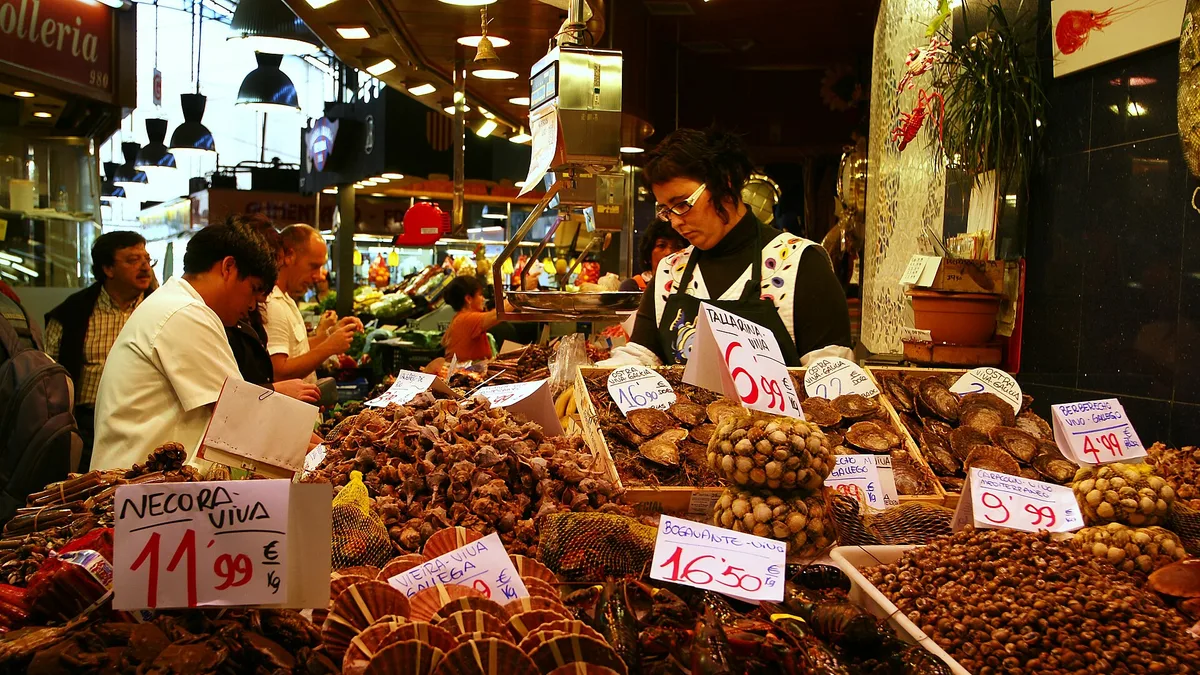
Spanish speakers reach for the kitchen when they want to describe almost anything. A task is easy if it is "eaten bread", a person you do not care about matters "a cucumber" to you, and rejecting someone means handing them pumpkins. Spanish food idioms are some of the most common expressions in the language, and they are almost impossible to guess from the words alone.
This guide covers 20 of them, grouped by what they actually describe, with the literal translation, the real meaning, and an example. Most are understood across Spain and Latin America, and where an expression belongs mainly to Spain, it is marked.
Idioms About Difficulty and Effort
1. Ser pan comido
Literally "to be eaten bread". It means to be very easy, the equivalent of "a piece of cake".
Example: "El examen fue pan comido." ("The exam was a piece of cake.")
2. Pedir peras al olmo
Literally "to ask the elm tree for pears". It means to expect something impossible, to ask for what cannot be given.
Example: "Pedirle puntualidad es pedir peras al olmo." ("Expecting him to be on time is asking the impossible.")
3. Sacar las castañas del fuego
Literally "to pull the chestnuts out of the fire". It means to solve someone else's problem for them, usually at your own cost.
Example: "Siempre le saco las castañas del fuego a mi hermano." ("I am always bailing my brother out.")
4. Darle la vuelta a la tortilla
Literally "to flip the omelette". It means to turn a situation around completely, to reverse who has the advantage.
Example: "En el segundo tiempo le dieron la vuelta a la tortilla." ("In the second half they turned the game around.")
5. Ir al grano
Literally "to go to the grain". It means to get to the point and skip the preamble.
Example: "Vamos al grano, ¿cuánto cuesta?" ("Let's get to the point, how much is it?")
Idioms About People and Character
6. Ser más bueno que el pan
Literally "to be better than bread". It describes someone genuinely kind and good hearted.
Example: "Mi abuela es más buena que el pan." ("My grandmother is the kindest person alive.")
7. Ser un chorizo
Literally "to be a chorizo". In Spain it means to be a thief, and it is used constantly about petty crooks and corrupt politicians alike.
Example: "Ese político es un chorizo." ("That politician is a crook.")
8. Ser un melón
Literally "to be a melon". Used in Spain for someone slow on the uptake, said with more affection than insult.
Example: "No seas melón, es obvio." ("Don't be dense, it is obvious.")
9. Ser un bombón
Literally "to be a chocolate". It describes someone very attractive.
Example: "Su hermana es un bombón." ("His sister is gorgeous.")
10. Estar como un fideo
Literally "to be like a noodle". It means to be very thin.
Example: "Desde que corre está como un fideo." ("Since he started running he is stick thin.")
Idioms like these are hard to memorise as a flat list, because you need the situation that triggers them. Our collection of 100 expressions and proverbs from Latin America puts expressions like these in context, which is how they actually stick.
Idioms About Moods and Feelings
11. Estar de mala leche
Literally "to be of bad milk". It means to be in a foul mood. The related tener mala leche means to have a nasty streak.
Example: "No le hables ahora, está de mala leche." ("Don't talk to him now, he is in a terrible mood.")
12. Ser la leche
Literally "to be the milk". In Spain it means to be amazing or, depending entirely on tone, unbelievable in the bad sense.
Example: "Este disco es la leche." ("This album is incredible.")
13. Ponerse como un tomate
Literally "to turn into a tomato". It means to blush deeply.
Example: "Se puso como un tomate cuando la saludó." ("She went bright red when he said hello.")
14. Estar en su salsa
Literally "to be in one's sauce". It means to be completely in your element, doing what you are best at.
Example: "En la cocina está en su salsa." ("In the kitchen he is in his element.")
15. Importar un pepino
Literally "to matter a cucumber". It means to not care in the slightest. Un rábano and un pimiento work the same way.
Example: "Me importa un pepino lo que digan." ("I could not care less what they say.")
Idioms About Time, Love and Everyday Situations
16. Dar calabazas
Literally "to give pumpkins". It means to reject someone romantically, or to fail a student in an exam.
Example: "Le pidió salir y le dio calabazas." ("He asked her out and she turned him down.")
17. Contigo pan y cebolla
Literally "with you, bread and onion". It means love is enough, that you would live on nothing as long as you were together. Sentimental and very common.
Example: "No tenemos dinero, pero contigo pan y cebolla." ("We have no money, but I would live on nothing with you.")
18. Ser del año de la pera
Literally "to be from the year of the pear". It means to be extremely old or out of date.
Example: "Ese teléfono es del año de la pera." ("That phone is ancient.")
19. Estar hasta en la sopa
Literally "to be even in the soup". It describes someone or something that is everywhere, impossible to avoid.
Example: "Esa canción está hasta en la sopa." ("That song is absolutely everywhere.")
20. Comerse el coco
Literally "to eat one's coconut". It means to overthink something, to let it spin in your head.
Example: "No te comas el coco, ya está hecho." ("Don't overthink it, it is done.")
Which of These Travel and Which Stay in Spain
Food idioms are not distributed evenly across the Spanish speaking world, and using a Spanish one in Latin America is a small but real way to sound off.
The safe ones, understood essentially everywhere: ser pan comido, pedir peras al olmo, ir al grano, ponerse como un tomate, estar en su salsa, importar un pepino, dar calabazas, estar hasta en la sopa, comerse el coco.
The ones that are strongly Spanish and can land oddly elsewhere: ser un chorizo, ser un melón, ser la leche, estar de mala leche. All four are alive and constant in Spain. In Mexico or Colombia they will usually be understood from context, but they are not what a local would reach for.
There is a reason so many of these are built on bread, milk and pumpkins rather than on anything modern. Most entered the language when those were the things everyone in the room had touched that morning. That is also why they survive: an idiom made of universal objects does not date.
How to Make These Stick
Food idioms are easy to remember and easy to misuse, because several of them change meaning with tone. A few tips:
- Learn the pairs that sit close together. Ser la leche and estar de mala leche share a word and share nothing else, so learn them side by side rather than months apart.
- Note the regional ones. Ser un chorizo, ser un melón and ser la leche are strongest in Spain, so they will land differently in Bogotá or Mexico City.
- Use the safe ones first. Ser pan comido, ir al grano and ponerse como un tomate carry no judgement and work anywhere.
To keep building your idiom vocabulary, read our guide to 20 Spanish animal idioms, then 30 Latin American Spanish idioms you must know and 10 Spanish idioms with similar meanings in English. For the same expressions in story form, the 100 expressions and proverbs from Latin America collection is the natural next step.