30 Peruvian Sayings You Will Hear in Lima and the Andes
Peruvian sayings compress a whole worldview into a line, and half of them make no sense translated. Here are 30, with the literal translation, what they really mean and when people say them.
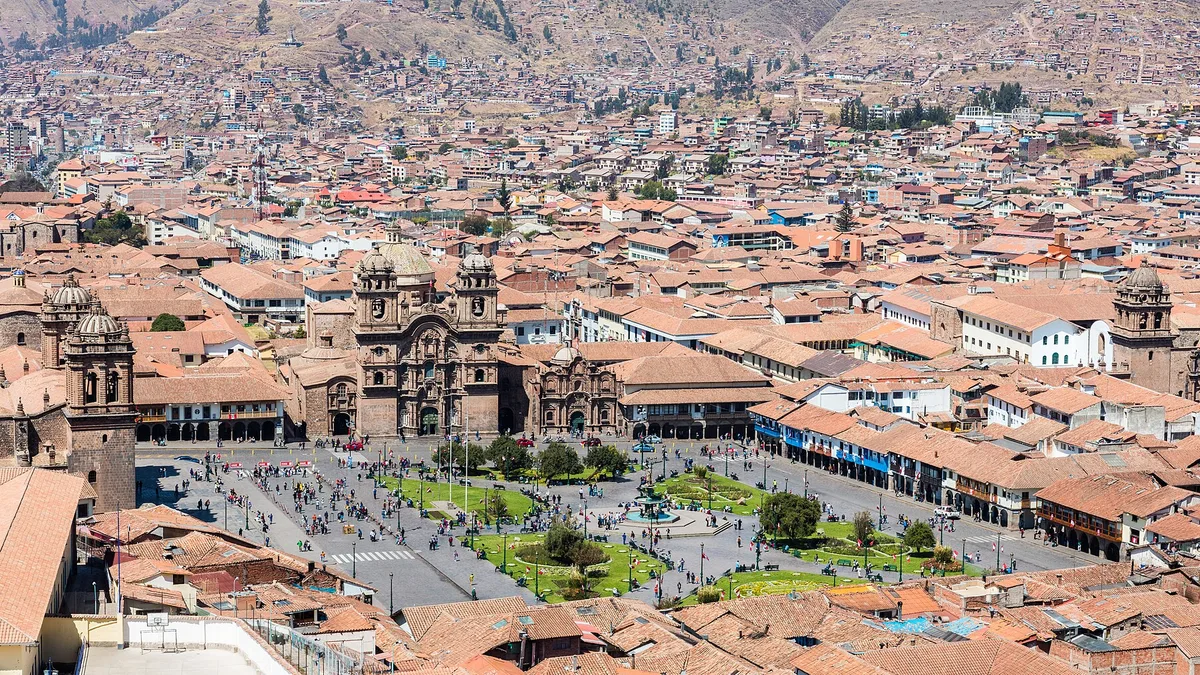
Peru packs a coast, an Andean highland and an Amazon basin into one country, and its sayings carry that geography with them. Some come straight from Spain, some are pure Lima street wit, and some are translated whole from Quechua. Peruvian sayings are worth learning precisely because they are not interchangeable with the Mexican or Argentinian ones a learner usually meets first.
This guide covers 30 of them, grouped by what they are used for, with the literal translation, the real meaning and an example. Where a saying belongs to a particular region, it is marked.
Sayings About Work, Effort and Getting By
1. El que no llora, no mama
Literal: He who does not cry does not suckle. Meaning: If you do not ask, you do not get. Heard across Latin America and constantly in Peru.
Example: "Pide el aumento. El que no llora, no mama." ("Ask for the raise. If you don't ask, you don't get.")
2. Camarón que se duerme, se lo lleva la corriente
Literal: The shrimp that falls asleep gets carried off by the current. Meaning: Snooze and you lose.
Example: "Ya vendieron la entrada. Camarón que se duerme, se lo lleva la corriente." ("They already sold the ticket. You snooze, you lose.")
3. Al que madruga, Dios lo ayuda
Literal: God helps the one who rises early. Meaning: The early bird catches the worm.
Example: "Salgo a las cinco. Al que madruga, Dios lo ayuda." ("I leave at five. The early bird catches the worm.")
4. A caballo regalado no se le mira el diente
Literal: You do not look at the tooth of a gifted horse. Meaning: Do not look a gift horse in the mouth.
Example: "Está usado, pero es gratis. A caballo regalado no se le mira el diente." ("It's used, but it's free. Don't look a gift horse in the mouth.")
5. Poco a poco se anda lejos
Literal: Little by little one goes far. Meaning: Steady progress beats bursts of effort. Said to learners of everything, languages included.
Example: "Estudia veinte minutos al día. Poco a poco se anda lejos." ("Study twenty minutes a day. Little by little you get far.")
6. El vivo vive del zonzo y el zonzo de su trabajo
Literal: The clever one lives off the fool, and the fool off his work. Meaning: A cynical description of how the world works, and a very Peruvian one. The criollo figure of the vivo, the operator who gets by on cunning, is a national archetype people discuss openly.
Example: "Otra vez le sacó plata. El vivo vive del zonzo." ("He got money out of him again. The sharp live off the slow.")
Sayings About People and Character
7. Cada quien con su cada cual
Literal: Each one with their each one. Meaning: Everyone finds their match. Said about odd couples.
Example: "Se llevan raro, pero cada quien con su cada cual." ("They're an odd pair, but to each their own.")
8. Aunque la mona se vista de seda, mona se queda
Literal: Even if the monkey dresses in silk, she stays a monkey. Meaning: Appearances do not change what someone is.
Example: "Se compró el carro pero sigue igual. Aunque la mona se vista de seda, mona se queda." ("He bought the car but he's the same. You can't polish it away.")
9. Dime con quién andas y te diré quién eres
Literal: Tell me who you walk with and I will tell you who you are. Meaning: You are judged by your company.
Example: "Anda con esa gente. Dime con quién andas y te diré quién eres." ("He goes around with those people. You are the company you keep.")
10. Más sabe el diablo por viejo que por diablo
Literal: The devil knows more from being old than from being the devil. Meaning: Experience beats cleverness.
Example: "Escucha a tu abuela. Más sabe el diablo por viejo que por diablo." ("Listen to your grandmother. There's no substitute for experience.")
11. Genio y figura hasta la sepultura
Literal: Character and bearing until the grave. Meaning: People do not change.
Example: "Sigue igual de terco. Genio y figura hasta la sepultura." ("He's as stubborn as ever. A leopard doesn't change its spots.")
Sayings are hard to learn from a flat list, because each one belongs to a moment and a tone of voice. Our Peruvian Spanish Phrasebook puts language like this in the situations where it actually gets used.
12. El que se fue a Barranco perdió su banco
Literal: He who went to Barranco lost his seat. Meaning: If you leave, you lose your place. A Lima version of "you snooze, you lose", built on the name of a coastal district and kept alive purely by the rhyme.
Example: "Te paraste, ahora es mi sitio. El que se fue a Barranco perdió su banco." ("You stood up, it's my seat now. You left it, you lost it.")
13. Chancha es chancha aunque tenga plata
Literal: A pig is a pig even if it has money. Meaning: Wealth does not buy class. A blunter cousin of the monkey in silk.
Example: "Se comporta fatal. Chancha es chancha aunque tenga plata." ("He behaves terribly. Money doesn't buy manners.")
Sayings About Patience, Caution and Bad News
14. No hay mal que dure cien años
Literal: There is no evil that lasts a hundred years. Meaning: Nothing bad lasts forever. Usually completed with ni cuerpo que lo resista, "nor a body that can withstand it".
Example: "Ya pasará. No hay mal que dure cien años." ("It will pass. Nothing lasts forever.")
15. No hay mal que por bien no venga
Literal: There is no bad from which good does not come. Meaning: Every cloud has a silver lining.
Example: "Perdí el vuelo y conocí a mi socio. No hay mal que por bien no venga." ("I missed the flight and met my business partner. Silver lining.")
16. Más vale prevenir que lamentar
Literal: Better to prevent than to regret. Meaning: Better safe than sorry.
Example: "Lleva paraguas. Más vale prevenir que lamentar." ("Take an umbrella. Better safe than sorry.")
17. Agua que no has de beber, déjala correr
Literal: Water you are not going to drink, let it run. Meaning: Do not interfere with what is not yours, and do not string people along.
Example: "Si no te interesa, díselo. Agua que no has de beber, déjala correr." ("If you're not interested, tell her. Don't string her along.")
18. En boca cerrada no entran moscas
Literal: Flies do not enter a closed mouth. Meaning: Say nothing and you cannot say the wrong thing.
Example: "Mejor no opines. En boca cerrada no entran moscas." ("Better not to comment. Least said, soonest mended.")
19. Del dicho al hecho hay mucho trecho
Literal: From the saying to the deed there is a long stretch. Meaning: Easier said than done.
Example: "Prometió mucho. Del dicho al hecho hay mucho trecho." ("He promised a lot. Easier said than done.")
20. A quien le va bien, no lo mueven
Literal: The one for whom things are going well does not get moved. Meaning: Do not change what is working.
Example: "No cambies de trabajo ahora. A quien le va bien, no lo mueven." ("Don't change jobs now. If it works, leave it.")
Sayings From the Andes and the Coast
21. Estar entre la espada y la pared
Literal: To be between the sword and the wall. Meaning: To be caught between two bad options.
Example: "Si acepto pierdo, si rechazo también. Estoy entre la espada y la pared." ("Either way I lose. I'm stuck between a rock and a hard place.")
22. Como cancha
Literal: Like toasted corn. Meaning: In huge quantities. Cancha is the toasted corn served with ceviche, and it always arrives in abundance. Deeply Peruvian.
Example: "Había gente como cancha." ("There were loads of people.")
23. Estar misio
Literal: To be misio. Meaning: To be broke. Everyday Lima slang that behaves like a saying.
Example: "No salgo, ando misio." ("I'm not going out, I'm skint.")
24. Hacerse la mosca muerta
Literal: To play the dead fly. Meaning: To act innocent while knowing exactly what you are doing.
Example: "No te hagas la mosca muerta, tú sabías." ("Don't play innocent, you knew.")
25. Tener sangre de pato
Literal: To have duck's blood. Meaning: To be unbothered to the point of apathy, someone nothing seems to move.
Example: "Ni se inmutó. Tiene sangre de pato." ("He didn't even flinch. Nothing moves him.")
26. Ser un perro del hortelano
Literal: To be the gardener's dog. Meaning: To neither use something nor let others use it. From the older Spanish phrase about the dog that neither eats nor lets others eat, and a phrase with a heavy political history in Peru.
Example: "No lo usa ni lo presta. Es el perro del hortelano." ("He neither uses it nor lends it. Dog in the manger.")
27. Estar en su salsa
Literal: To be in one's sauce. Meaning: To be completely in your element.
Example: "En la cocina está en su salsa." ("In the kitchen she's in her element.")
28. Al pan, pan y al vino, vino
Literal: To bread, bread, and to wine, wine. Meaning: Call things by their name, speak plainly.
Example: "Digámoslo claro: al pan, pan y al vino, vino." ("Let's be clear about it and call it what it is.")
29. Ojos que no ven, corazón que no siente
Literal: Eyes that do not see, heart that does not feel. Meaning: What you do not know cannot hurt you.
Example: "No le cuentes. Ojos que no ven, corazón que no siente." ("Don't tell her. What she doesn't know won't hurt her.")
30. Nadie sabe para quién trabaja
Literal: Nobody knows who they are working for. Meaning: You never know who will end up benefiting from your effort. Said with resignation, and very often.
Example: "Yo lo armé y él se llevó el crédito. Nadie sabe para quién trabaja." ("I built it and he took the credit. You never know who you're working for.")
Which of These Are Actually Peruvian
Honesty helps here, because a lot of lists blur the line.
Many of these sayings are pan-Hispanic. Del dicho al hecho, en boca cerrada no entran moscas, a caballo regalado and ojos que no ven are said in Madrid and Mexico City just as they are in Lima. They are on this list because Peruvians use them daily, not because Peru invented them.
The ones that are genuinely Peruvian are the ones tied to something local. Como cancha only works if you know that toasted corn arrives by the bowlful with your ceviche. El que se fue a Barranco needs the Lima district to rhyme. Estar misio and sangre de pato are Lima street speech. And el vivo vive del zonzo names a specific national archetype, the criollo vivo, that Peruvians debate about themselves.
There is also an Andean layer this list only touches. In Quechua speaking regions people translate proverbs whole into Spanish, so you will hear constructions that sound odd in Lima and completely normal in Cusco. If your Spanish takes you into the highlands, expect a second vocabulary.
How to Use Them
- Start with the pan-Hispanic ones. They are safe anywhere and you will be understood even if your accent is not Peruvian.
- Save como cancha and estar misio for when you are actually in Peru. Elsewhere they will simply confuse.
- Deploy one at a time. A saying lands because it is unexpected, and two in a row sounds like recitation.
To keep building your Peruvian Spanish, read our guide to Peruvian Spanish slang words and expressions, then compare with Bolivian Spanish slang and Chilean Spanish slang from the neighbours. For the same language in practical form, the Peruvian Spanish Phrasebook is the natural next step.